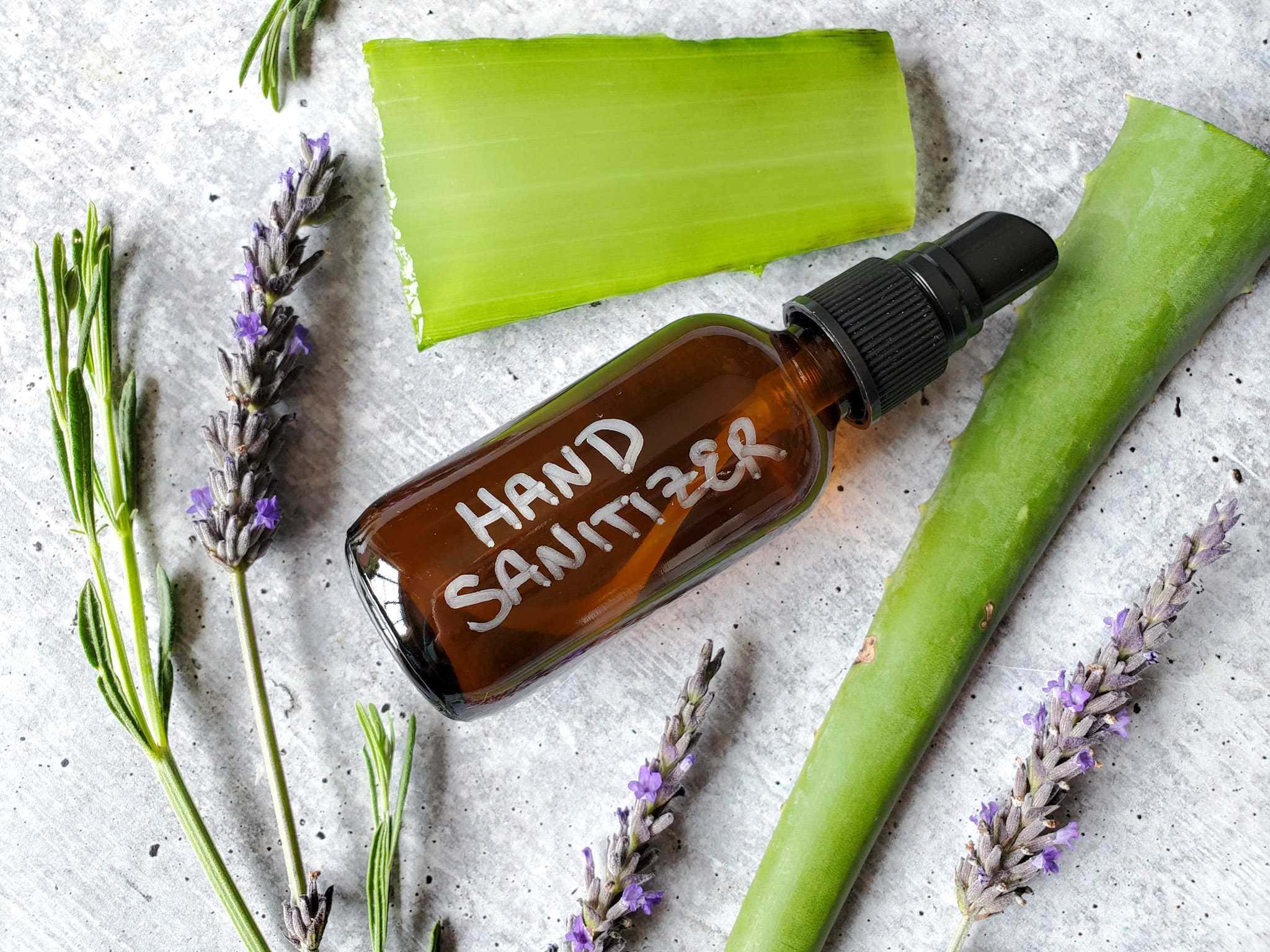
DIY Hand Sanitizer: Simple Steps for Alcohol & Aloe Vera
In a world where maintaining impeccable hygiene has become more crucial than ever, access to essential sanitation products isn't always guaranteed. While nothing truly replaces the thoroughness of washing your hands with soap and water, a reliable hand sanitizer acts as your indispensable ally when a sink is out of reach. If you've ever found yourself in a bind with commercial sanitizers sold out or simply prefer to know exactly what goes onto your skin, mastering the art of making your own homemade hand sanitizer is a powerful skill. It's surprisingly easy, incredibly quick, and offers peace of mind.
This comprehensive guide will walk you through the simple steps of creating an effective alcohol-based hand sanitizer using two primary ingredients: rubbing alcohol and aloe vera gel. We'll delve into the science behind its germ-fighting power, provide practical recipes, and share essential tips to ensure your homemade solution is both safe and potent.
The Science of Clean: Why Alcohol Content Matters
The effectiveness of an alcohol-based hand sanitizer hinges on one critical factor: its alcohol concentration. To effectively neutralize a broad spectrum of viruses and bacteria, including the novel coronavirus, the Centers for Disease Control and Prevention (CDC) recommends a hand sanitizer with at least 60% alcohol. This isn't an arbitrary number; alcohol works by denaturing the proteins and dissolving the lipid membranes of germs, rendering them inactive. Below this threshold, the sanitizer may not have sufficient germ-fighting power.
When preparing your homemade hand sanitizer, the type of rubbing alcohol you use will influence your recipe. Isopropyl alcohol (also known as isopropanol) is the most common choice, available in varying concentrations:
- 91% to 99% Isopropyl Alcohol: This is the ideal choice for homemade sanitizers as it allows for dilution with other ingredients (like aloe vera) while still maintaining the crucial 60%+ final alcohol concentration.
- 70% Isopropyl Alcohol: While still effective on its own, using 70% alcohol requires careful measurement to ensure the final product retains at least 60% alcohol after adding moisturizing agents. This means using significantly less aloe vera.
It's important to understand that using alcohol concentrations much higher than 91-99% (e.g., pure ethanol) without dilution can be overly harsh on the skin, causing severe dryness and irritation, without necessarily increasing germ-killing efficacy beyond the established effective range. On the other hand, using denatured alcohol or fuel alcohol is strongly discouraged, as these often contain toxic additives not meant for skin contact. For more in-depth information on achieving the right alcohol balance, you can refer to our article on Ensure Germ-Fighting Power: Homemade Hand Sanitizer with 60% Alcohol.
While powerful, it's also worth noting that alcohol-based hand sanitizers don't kill *every* type of pathogen. For instance, they are not effective against non-enveloped viruses like norovirus, nor do they eliminate certain parasites like Cryptosporidium. This is why thorough handwashing remains the gold standard for hygiene, with hand sanitizer serving as an excellent supplementary tool.
Crafting Your Own: Step-by-Step Recipes for Homemade Hand Sanitizer
Making your own hand sanitizer is a straightforward process, often taking mere minutes. The core principle involves combining a high-proof alcohol with aloe vera gel to create a solution that's both effective and kind to your skin. If you're finding commercial options Sold Out? Make Effective Homemade Hand Sanitizer in Minutes, these recipes are your answer.
Essential Supplies You'll Need:
- Rubbing Alcohol: Choose 91-99% isopropyl alcohol for best results. If only 70% is available, adjust ratios carefully.
- Aloe Vera Gel: Pure aloe vera gel (found in drugstores or beauty aisles) is preferred. You can even use fresh gel from an aloe vera plant, though it might have a slightly different consistency and shelf life.
- Measuring Cups and Spoons: Accuracy is key for maintaining the correct alcohol concentration.
- Mixing Bowl: A clean bowl for combining ingredients.
- Whisk or Spoon: For thorough mixing.
- Airtight Containers: Small squeeze bottles, spray bottles, or pump bottles for storage and easy application. Dark-colored bottles can help preserve potency by blocking light.
Recipe 1: Using 91-99% Isopropyl Alcohol (The Preferred Method)
This recipe provides a robust alcohol concentration, typically yielding a final product between 65-70% alcohol, well within the CDC's recommended guidelines.
Ingredients:
- 2/3 cup (160ml) 91-99% Isopropyl Alcohol
- 1/3 cup (80ml) Pure Aloe Vera Gel
Instructions:
- In a clean mixing bowl, pour in the rubbing alcohol.
- Add the aloe vera gel.
- Using a whisk or spoon, mix the ingredients thoroughly until well combined and a smooth gel consistency is achieved. Ensure there are no lumps of aloe vera.
- Carefully transfer the mixture into your clean, airtight containers. A funnel can be very helpful here.
- Seal the containers tightly and label them clearly as "Homemade Hand Sanitizer."
Recipe 2: Using 70% Isopropyl Alcohol (When Other Options Are Scarce)
When using 70% alcohol, it's crucial to minimize dilution to keep the final alcohol content above 60%. This recipe will produce a slightly thinner consistency due to less aloe vera.
Ingredients:
- 3/4 cup (180ml) 70% Isopropyl Alcohol
- 1/4 cup (60ml) Pure Aloe Vera Gel
Instructions:
- Combine the 70% isopropyl alcohol and aloe vera gel in a clean mixing bowl.
- Mix vigorously with a whisk or spoon until the ingredients are fully incorporated.
- Transfer the mixture into your chosen containers, seal, and label.
Note: If you have measuring spoons instead of cups, you can use a ratio of 2 parts alcohol to 1 part aloe vera for 91%+ alcohol, or 3 parts 70% alcohol to 1 part aloe vera. Always double-check your math to ensure the final solution maintains at least 60% alcohol.
Beyond the Basics: Customization, Storage, and Safety
Creating your own homemade hand sanitizer offers more than just germ protection; it provides an opportunity for customization and mindful use.
Enhancing Your Homemade Hand Sanitizer:
- Moisture Boost: Aloe vera is excellent for counteracting the drying effects of alcohol. For an extra moisturizing touch, you can add a few drops of Vitamin E oil (extracted from capsules) or a teaspoon of vegetable glycerin to either recipe. These ingredients help lock in moisture without compromising effectiveness.
- Natural Scent (Optional): If you prefer a subtle scent, consider adding 5-10 drops of essential oils per cup of sanitizer. Lavender, tea tree, lemon, or peppermint essential oils are popular choices. However, use essential oils sparingly and with caution, as some can cause skin sensitivity, and adding too much can dilute the alcohol content or irritate the skin. Always perform a patch test if you have sensitive skin.
- Consistency Control: The consistency of your homemade hand sanitizer can vary depending on the brand of aloe vera gel. If it's too thick, you can add a tiny bit more alcohol (just a teaspoon at a time) and mix well. If it's too thin, a bit more aloe vera can help, but remember this will slightly reduce the alcohol concentration.
Proper Application and Storage:
- Application: To maximize effectiveness, apply a generous amount of sanitizer to the palm of one hand. Rub your hands together, ensuring the sanitizer covers all surfaces of both hands, including between fingers and under nails, until your hands feel completely dry. Do not wipe off or rinse your hands, as this will reduce the sanitizer's ability to kill germs.
- Child Supervision: Hand sanitizer should be used with caution, especially around children. Always supervise kids to ensure they do not ingest the sanitizer, which can be toxic due to the high alcohol content. Store it out of their reach.
- Storage: Store your homemade hand sanitizer in airtight containers away from direct sunlight and heat. Alcohol can evaporate over time, reducing its effectiveness. Labeling your containers clearly will prevent confusion with other products.
- Shelf Life: While the alcohol acts as a preservative, the exact shelf life can vary. Generally, aim to use your homemade batch within a few months. If you notice a change in consistency, color, or smell, it’s best to discard it and make a fresh batch.
The Eco-Friendly Choice:
One often-overlooked perk of making your own hand sanitizer is the environmental benefit. By preparing your solution in bulk and refilling reusable bottles, you significantly reduce the plastic waste generated by countless tiny, disposable commercial sanitizer bottles. This simple act contributes to a more sustainable lifestyle, aligning personal hygiene with environmental responsibility.
Conclusion
Empowering yourself with the knowledge to create effective homemade hand sanitizer is an invaluable skill. Whether you're facing product shortages, seeking greater control over ingredients, or simply aiming for a more eco-conscious approach to hygiene, this DIY solution provides a potent and practical alternative. Remember, while a well-made hand sanitizer is an excellent tool for germ reduction when soap and water are unavailable, it's always secondary to the thoroughness of traditional handwashing. By following these simple steps, you can confidently keep your hands clean and protected, contributing to your health and peace of mind wherever you go.
