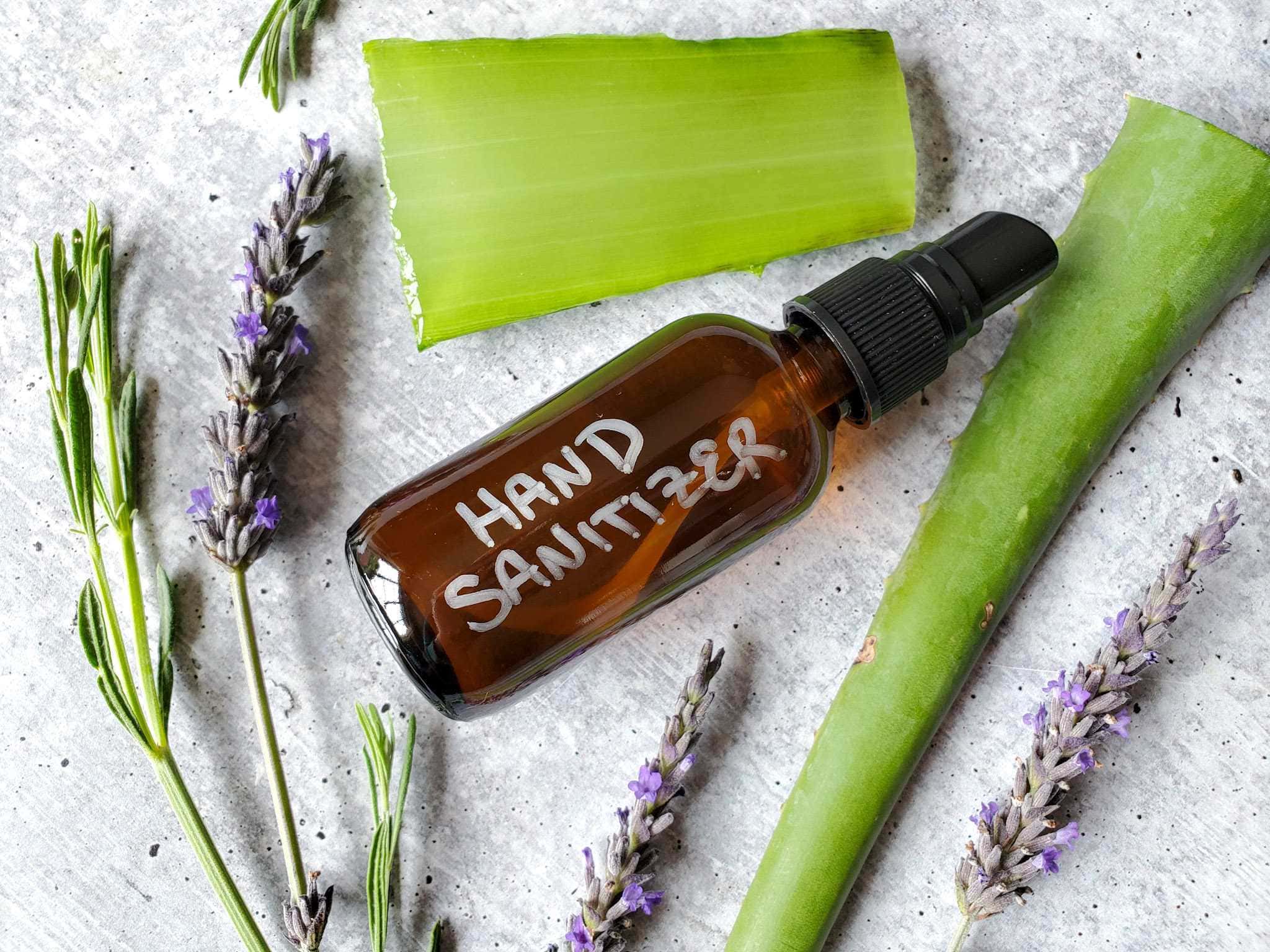
The Unsung Hero in a Pinch: Why Homemade Hand Sanitizer Matters
In an unpredictable world, access to essential hygiene products can sometimes become a challenge. Remember those times when store shelves were empty, and the simplest items, like hand sanitizer, were nowhere to be found? It's in these moments that resourcefulness shines, and the ability to craft your own solutions becomes invaluable. While nothing truly replaces the thoroughness of washing your hands with soap and water, a reliable hand sanitizer serves as a crucial ally when a sink isn't readily available. This article will guide you through creating an effective homemade hand sanitizer in mere minutes, ensuring you're never caught off guard.
Sold Out? Unlock the Power of DIY Hand Sanitizer
The phrase "sold out" can strike a particular chord of frustration when it comes to vital items like hand sanitizer. Whether due to global health crises, seasonal outbreaks, or simply unexpected demand, commercial supplies can dwindle rapidly. But what if you could bypass the scarcity and create a powerful germ-fighting solution right in your own home? Making homemade hand sanitizer offers a compelling answer to this dilemma, providing not just convenience but also peace of mind.
Beyond Scarcity: The Multifaceted Benefits of Crafting Your Own
- Uninterrupted Supply: The most immediate benefit is never having to worry about empty store shelves. With a few common ingredients, you can replenish your supply whenever needed, ensuring continuous access to this crucial hygiene tool.
- Ingredient Control: Commercial sanitizers often contain a list of ingredients that many prefer to avoid, including fragrances or dyes. By making your own homemade hand sanitizer, you gain ultimate control, ensuring only necessary and safe components are included. This is particularly appealing for those with sensitive skin or specific ingredient preferences, allowing for a truly personalized product.
- Cost-Effectiveness: The cumulative cost of frequently purchasing small, disposable bottles of hand sanitizer can quickly add up. Creating a larger batch at home is significantly more economical, especially if you or your family uses it regularly. Buying ingredients in bulk usually yields a much lower per-ounce cost.
- Eco-Friendly Choice: The continuous purchase of small, single-use plastic bottles contributes significantly to plastic waste. Opting to make your own homemade hand sanitizer and refilling durable, reusable containers is a simple yet impactful step towards reducing your environmental footprint and promoting sustainable practices.
- Personalization: While not a primary germ-fighting aspect, you can subtly customize your homemade hand sanitizer. Adding a drop or two of a skin-safe essential oil (such as lavender, tea tree, or peppermint for a fresh scent – *always patch test first and ensure oils are diluted safely*) can make the hand sanitizing experience more pleasant, though this is entirely optional and shouldn't compromise the alcohol content.
The Science Behind the Clean: Essential Ingredients for Effective Homemade Hand Sanitizer
The effectiveness of any hand sanitizer, whether store-bought or homemade, hinges on one critical component: alcohol. Specifically, isopropyl alcohol (commonly known as rubbing alcohol) is the go-to choice for its antiseptic properties. But it’s not just about having alcohol; it’s about having the right concentration to effectively neutralize germs.
Understanding Alcohol Concentration: The 60% Rule
For a hand sanitizer to effectively kill a broad spectrum of germs, including many common viruses and bacteria (such as the novel coronavirus, as highlighted during recent global health events), its final alcohol concentration must be at least 60%. This threshold is crucial because alcohol works by denaturing proteins and dissolving lipid membranes, which are vital structures for many pathogens. While higher concentrations are often preferred for starting ingredients, the final mixture needs to hit this minimum to be reliable. This vital detail is why it's so important to ensure germ-fighting power: homemade hand sanitizer with 60% alcohol is your goal.
- Ideal Alcohol: Isopropyl Alcohol (Rubbing Alcohol) 91-99%: This strength provides the most flexibility in your recipe. Using higher-percentage alcohol allows you to add more aloe vera (for moisture) without diluting the overall alcohol content below the effective threshold. It's the preferred choice for its potent germ-killing abilities and ease of formulation.
- Acceptable Alcohol: Isopropyl Alcohol 70%: If 91% or 99% alcohol isn't available, 70% can still be used. However, you'll need to carefully adjust your proportions to ensure the final product still achieves the minimum 60% alcohol concentration. This typically means incorporating less aloe vera into the mixture to maintain the required potency.
- What Not to Use: Avoid using drinking alcohol (like vodka, whiskey, or gin) as it typically doesn't contain a high enough alcohol percentage to be effective against germs in the context of hand sanitization. Hand sanitizers are also *not* for consumption and should be stored securely away from children and pets.
The Soothing Counterpart: Aloe Vera Gel
While alcohol is the undisputed germ-killer, it's also incredibly drying and harsh on the skin, especially with frequent use. This is where aloe vera gel comes into play. Adding aloe vera provides essential moisture and nourishment, helping to counteract the harsh drying effects of alcohol. It leaves your hands feeling softer, smoother, and less irritated, encouraging more consistent and comfortable use. You can use either fresh aloe vera gel straight from a plant (ensure it's processed correctly to avoid irritation) or, more commonly and conveniently, commercially prepared pure aloe vera gel, which offers consistent quality and ease of incorporation.
Crafting Your Own: Step-by-Step Recipes for Homemade Hand Sanitizer
Making your own hand sanitizer is surprisingly straightforward, requiring just two primary ingredients and a few minutes of your time. The key is precise measurement to ensure the correct alcohol concentration for maximum effectiveness.
Recipe 1: Using 91% or 99% Isopropyl Alcohol (Preferred for Potency and Moisture)
This recipe is ideal because the higher alcohol content allows for a more moisturizing blend while comfortably maintaining efficacy.
Supplies You'll Need:
- Rubbing alcohol (isopropyl alcohol, 91% or 99% strength)
- Aloe vera gel (pure, 100% aloe vera is best for skin benefits)
- A clean mixing bowl (glass or stainless steel is recommended)
- A whisk or spoon for thorough mixing
- An empty, clean spray bottle or pump bottle for storage
- Accurate measuring cups and spoons
Instructions:
- Measure Alcohol: Carefully pour ⅔ cup (approximately 160ml) of 91% or 99% isopropyl alcohol into your mixing bowl.
- Add Aloe Vera: Add ⅓ cup (approximately 80ml) of pure aloe vera gel to the alcohol. This 2:1 ratio (alcohol to aloe) ensures a final alcohol concentration well above the crucial 60% threshold, while still providing ample moisturizing benefits.
- Mix Thoroughly: Whisk the mixture vigorously for at least 30 seconds, or until the alcohol and aloe vera gel are completely combined. There should be no streaks, separated layers, or clumps of aloe vera. The consistency should be smooth and gel-like.
- Transfer and Store: Carefully pour the finished homemade hand sanitizer into your clean spray or pump bottle. Label it clearly with the contents and date of creation. Store it in a cool, dry place away from direct sunlight and heat.
Optional Customization: For a pleasant aroma, add 5-10 drops of a skin-safe essential oil (e.g., lavender, peppermint, or tea tree oil, known for its antiseptic properties). Mix well after adding.
Recipe 2: Using 70% Isopropyl Alcohol (If Higher Strengths Are Unavailable)
If 70% isopropyl alcohol is all you have access to, you can still make an effective sanitizer, but the ratio must be adjusted precisely to ensure the final alcohol content reaches at least 60%.
Supplies You'll Need:
- Rubbing alcohol (isopropyl alcohol, 70% strength)
- Aloe vera gel
- Mixing bowl, whisk, and storage bottle as specified above
- Measuring cups and spoons for precise measurement
Instructions:
- Measure Alcohol: Carefully pour ¾ cup (approximately 180ml) of 70% isopropyl alcohol into your mixing bowl.
- Add Aloe Vera: Add ¼ cup (approximately 60ml) of pure aloe vera gel to the alcohol. This 3:1 ratio (alcohol to aloe) is crucial for maintaining the minimum 60% alcohol effectiveness in the final product.
- Mix Thoroughly: Whisk the ingredients together until fully combined and the mixture is homogenous.
- Transfer and Store: Pour into your chosen bottle, label it clearly, and store appropriately, away from heat and direct light.
Note: This version will contain slightly less aloe vera compared to Recipe 1, so it might feel a bit more drying on the hands. Consider applying a separate hand cream afterward if your skin feels particularly dry.
Maximizing Effectiveness and Safety with Your Homemade Hand Sanitizer
Creating your own hand sanitizer is only half the battle; knowing how to use it correctly and safely is just as important for optimal protection and peace of mind.
Proper Application Techniques
For your homemade hand sanitizer to be effective, follow these guidelines from health experts:
- Generous Amount: Apply a dime-sized amount (or enough to fully wet all surfaces of your hands) to the palm of one hand. Too little won't be effective.
- Rub Thoroughly: Rub your hands together vigorously, ensuring the sanitizer covers all surfaces – front, back, between your fingers, and under your nails. Continue rubbing until your hands feel completely dry. This entire process should ideally take about 20-30 seconds.
- Do NOT Wipe or Rinse: Resist the urge to wipe off or rinse your hands after applying sanitizer. Doing so will significantly reduce its germ-fighting power before the alcohol has had a chance to work fully and evaporate naturally.
Safety First: Important Considerations
- Handwashing Remains Supreme: Always remember that hand sanitizer is a convenient and effective alternative when soap and water are unavailable, but it is not a replacement for proper handwashing. Handwashing with soap and water physically removes germs, dirt, and grime, while sanitizer primarily kills them. Always choose handwashing when possible, especially when hands are visibly dirty or greasy.
- Children's Use: Alcohol-based hand sanitizers can be toxic if ingested. Supervise children closely when they use hand sanitizer to ensure they apply it correctly and, most importantly, do not swallow it. Store homemade hand sanitizer securely out of reach of young children and vulnerable individuals.
- Flammability Warning: Alcohol is flammable. Store your homemade hand sanitizer in a cool, dry place away from open flames, heat sources, sparks, and direct sunlight. Do not use it near open flames.
- Not All Germs Are Equal: While alcohol-based hand sanitizer is highly effective against many common viruses and bacteria, it does not kill all types of pathogens. For instance, it is generally ineffective against non-enveloped viruses like Norovirus, and bacteria such as Clostridium difficile (C. diff), or parasites like Cryptosporidium. For these, soap and water are essential.
- Shelf Life Considerations: While the alcohol itself is stable, the aloe vera gel can degrade over time, especially if not stored properly. Aim to use your homemade hand sanitizer within a few months. If you notice any changes in color, consistency, or smell, it’s best to discard it and make a fresh batch to ensure efficacy.
- Patch Test for Sensitivity: If you have sensitive skin or have added essential oils to your homemade sanitizer, perform a small patch test on a discreet area of your skin (e.g., inner forearm) before widespread use to check for any adverse reactions like redness, itching, or irritation.
By understanding both the powerful benefits and the critical limitations, you can confidently and safely integrate homemade hand sanitizer into your personal hygiene routine, enhancing your protection against germs.
Conclusion: Empowering Yourself with DIY Hygiene
In a world where unpredictability can impact everything from supply chains to personal health, knowing how to create your own effective homemade hand sanitizer is a truly powerful skill. It's a testament to resourcefulness, offering an immediate and reliable solution when commercial options are scarce or when you simply prefer a more controlled approach to your hygiene products. By adhering to the crucial 60% alcohol content and combining it with the soothing, moisturizing properties of aloe vera, you can quickly whip up a potent germ-fighting gel that provides protection and peace of mind. While always remembering that thorough handwashing with soap and water remains the gold standard for removing germs, your readily available homemade sanitizer serves as an invaluable portable guardian, ensuring your hands stay clean and safe, wherever life's journey takes you.
