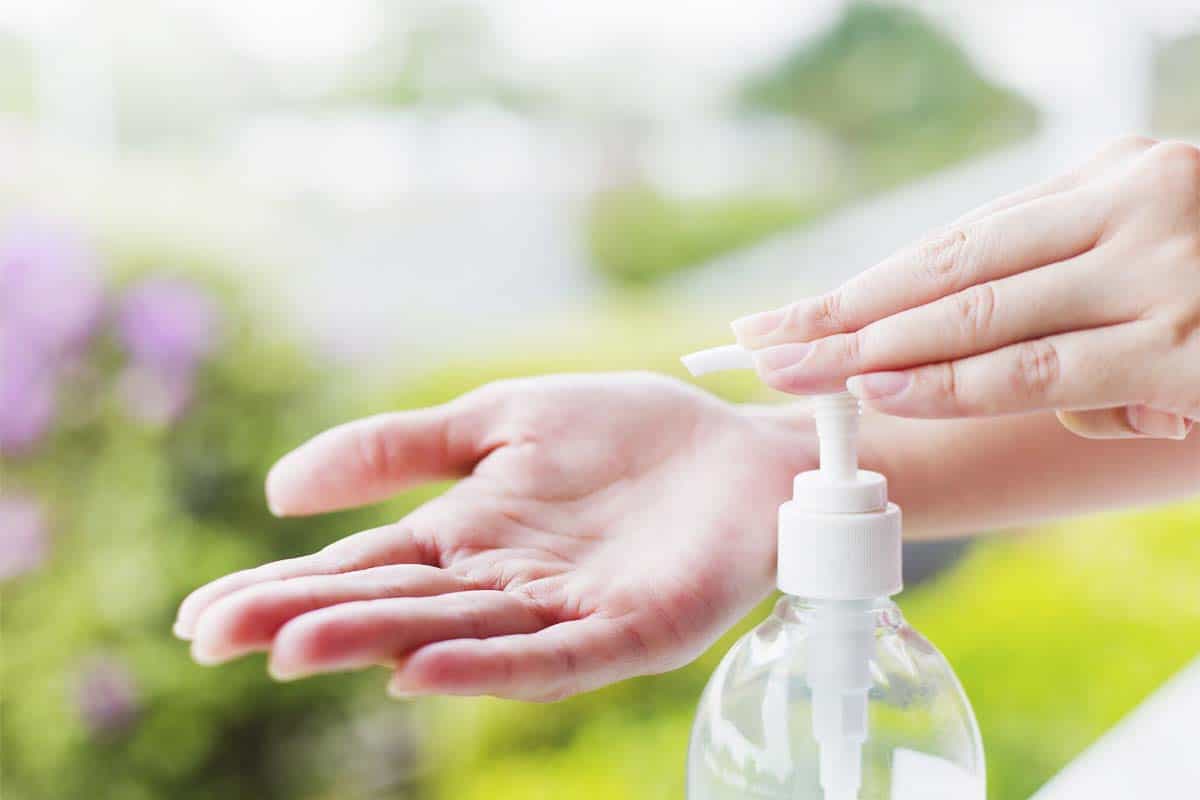
In our daily lives, keeping hands clean is a fundamental step toward staying healthy and preventing the spread of germs. While nothing truly replaces the thoroughness of washing your hands with soap and water, there are many situations where a sink isn't readily available. This is where the power of homemade hand sanitizer comes into play, offering a practical and effective solution to keep your hands clean on the go. Especially during times of scarcity for commercial products, or simply if you prefer to have control over the ingredients, crafting your own sanitizer is an incredibly empowering and simple process.
The good news? Making your own germ-fighting solution is much easier than you might think, often requiring just a few common ingredients and minutes of your time. This comprehensive guide will walk you through creating an effective homemade hand sanitizer with a critical 60% alcohol concentration, ensuring it has the potency needed to combat various bacteria and viruses. Remember, while a valuable tool, hand sanitizer serves as an excellent complement, not a substitute, for diligent handwashing.
The Power of Homemade Hand Sanitizer: Why Make Your Own?
The decision to make your own hand sanitizer stems from several compelling reasons, ranging from practical necessity to personal preference and even environmental consciousness. Beyond merely addressing product shortages, which have become a timely concern in recent years, especially during global health crises, there's a deeper appeal to DIY solutions:
- Uninterrupted Access: When store shelves are empty or online retailers are sold out, knowing how to produce your own ensures you're never without this essential hygiene aid. It's a proactive step towards self-sufficiency in maintaining personal health. If you've ever found yourself wondering, "Sold Out? Make Effective Homemade Hand Sanitizer in Minutes," this article is your answer.
- Ingredient Control: Commercial hand sanitizers can sometimes contain fragrances, dyes, or other chemicals that may irritate sensitive skin or that you simply wish to avoid. By making your own, you have complete oversight of what goes onto your skin, opting for natural, skin-friendly components.
- Cost-Effectiveness: Buying ingredients in bulk to make multiple batches of homemade hand sanitizer is often significantly more economical than purchasing individual small bottles. This can lead to substantial savings over time, especially if you or your family use sanitizer regularly.
- Environmental Responsibility: Creating your own sanitizer allows you to refill reusable bottles, significantly reducing the amount of single-use plastic waste generated by disposable commercial products. It's a small but impactful step towards a more sustainable lifestyle.
- Customization: Beyond basic effectiveness, you can slightly customize your sanitizer with natural additions like essential oils for a pleasant scent (with caution for sensitive skin) or extra moisturizing agents to combat the drying effects of alcohol.
Ultimately, making your own homemade hand sanitizer is about empowering yourself with a reliable, controlled, and often more sustainable option for hand hygiene. It's an assurance that you can always maintain cleanliness, even when traditional resources are limited.
Understanding the Germ-Fighting Core: Alcohol Concentration
The effectiveness of any hand sanitizer, whether commercial or homemade, hinges on one critical factor: its alcohol concentration. Alcohol acts as the primary germ-killing agent, working by denaturing proteins and dissolving the lipids that make up the cell membranes of bacteria and the outer envelopes of many viruses. This destructive process renders them inactive and unable to cause illness.
The Magic Number: Why 60% Alcohol is Essential
According to health experts, an alcohol concentration of at least 60% is vital for a hand sanitizer to be effective at killing a broad spectrum of germs, including the novel COVID-19 coronavirus, many other viruses, and common bacteria. Below this threshold, the sanitizer may only reduce the growth of germs rather than effectively killing them. It's crucial to understand that simply having alcohol in the mixture isn't enough; the final product must meet this minimum percentage to ensure its germ-fighting power.
When preparing your homemade hand sanitizer, you'll typically use rubbing alcohol, which comes in various strengths, most commonly 70% isopropyl alcohol or 91-99% isopropyl alcohol. Your choice of alcohol strength will influence the ratio of ingredients you need to maintain the crucial 60% final concentration. For instance, using 91% or 99% isopropyl alcohol allows for a higher proportion of moisturizing agents like aloe vera gel, while starting with 70% isopropyl alcohol requires a more precise, reduced amount of aloe vera to ensure the final mixture remains potent enough.
However, it's important to note that while alcohol-based hand sanitizers are highly effective against many pathogens, they do not kill every type of germ. For example, they are generally ineffective against non-enveloped viruses like norovirus, or parasitic infections like Cryptosporidium. This further emphasizes that hand sanitizer is an excellent tool for specific situations, but handwashing with soap and water remains the gold standard for removing all types of germs and visible dirt from your hands.
Crafting Your Own: The Essential Homemade Hand Sanitizer Recipe
Now that we understand the 'why' and the 'how' behind the alcohol content, let's dive into creating your own effective homemade hand sanitizer. The beauty of this recipe lies in its simplicity and the readily available nature of its core ingredients. For a more visual or step-by-step guide, consider checking out resources like DIY Hand Sanitizer: Simple Steps for Alcohol & Aloe Vera.
Ingredients You'll Need:
- Rubbing Alcohol (Isopropyl Alcohol):
- Preferred: 91% to 99% strength isopropyl alcohol. This allows for a more forgiving ratio with the aloe vera and ensures you easily reach the 60% minimum alcohol content.
- Alternative: 70% strength isopropyl alcohol. This can be used, but requires a more precise measurement to guarantee the final mixture is still at least 60% alcohol.
- Aloe Vera Gel: This crucial ingredient helps to counteract the harsh drying effects of alcohol, keeping your hands moisturized and preventing irritation. You can use bottled aloe vera gel (ensure it's pure, without added dyes or fragrances) or even fresh aloe vera pulp if you have access to a plant.
- Optional Additions (for customization, use sparingly):
- Essential Oils: A few drops of a skin-safe essential oil (like tea tree, lavender, or peppermint) can add a pleasant scent. Always perform a patch test first, as some individuals may be sensitive.
- Vitamin E Oil: A small amount can provide extra moisturizing benefits.
Equipment:
- Clean mixing bowl
- Whisk or spoon
- Measuring cups and spoons (accurate measurements are key!)
- Clean, empty bottles with a pump or spray nozzle for storage
Step-by-Step Instructions:
The goal is always a final mixture that is at least 60% alcohol. Here are two common scenarios based on the alcohol strength you have:
Scenario 1: Using 91% or 99% Isopropyl Alcohol
- Measure Alcohol: Pour ⅔ cup (about 160ml) of 91% or 99% isopropyl alcohol into your clean mixing bowl.
- Add Aloe Vera: Add ⅓ cup (about 80ml) of aloe vera gel to the alcohol. This 2:1 ratio (alcohol to aloe vera) is ideal for achieving a final alcohol concentration of approximately 60-66%, depending on your starting alcohol percentage.
- Incorporate Optional Ingredients: If desired, add 5-10 drops of your chosen essential oil or a small amount of Vitamin E oil.
- Mix Thoroughly: Stir the mixture well with your whisk or spoon until the alcohol and aloe vera gel are completely combined and form a consistent gel.
- Bottle and Store: Carefully transfer your homemade hand sanitizer into clean, empty pump or spray bottles. Label them clearly.
Scenario 2: Using 70% Isopropyl Alcohol
Since you're starting with a lower alcohol concentration, you'll need to use less aloe vera to ensure your final product still meets the 60% minimum requirement.
- Measure Alcohol: Pour ¾ cup (about 180ml) of 70% isopropyl alcohol into your mixing bowl.
- Add Aloe Vera: Add ¼ cup (about 60ml) of aloe vera gel. This 3:1 ratio (alcohol to aloe vera) results in a final alcohol concentration of approximately 52.5-60%. To be safe, adding slightly less aloe vera than a strict 3:1 ratio (e.g., closer to 3.5:1) will help ensure you meet the 60% threshold.
- Incorporate Optional Ingredients: Add any desired essential oils or Vitamin E oil.
- Mix Thoroughly: Stir vigorously until all ingredients are well combined and the mixture has a uniform texture.
- Bottle and Store: Transfer the sanitizer into clean bottles and label them.
Important Note on Accuracy: Precision in measurement is key for effectiveness, especially when using 70% alcohol. Always err on the side of slightly more alcohol if you're unsure, to guarantee the germ-fighting power.
Best Practices for Using Your Homemade Hand Sanitizer
Creating an effective sanitizer is only half the battle; knowing how to use it correctly is equally important for optimal germ reduction. Follow these best practices to ensure you get the most out of your homemade hand sanitizer:
- Apply Enough: Dispense a generous, dime-sized amount (or more, depending on hand size) into the palm of one hand. You want enough liquid to cover all surfaces of both hands.
- Rub Thoroughly: Rub your hands together briskly, ensuring the sanitizer covers all surfaces: palms, backs of hands, between fingers, and under fingernails. Continue rubbing until your hands feel completely dry. This typically takes about 20-30 seconds.
- Do NOT Rinse or Wipe Off: Allow the sanitizer to evaporate naturally. Wiping or rinsing it off too soon will reduce its effectiveness, as it needs time to interact with and kill germs.
- Supervise Children: Always supervise young children when they use hand sanitizer to ensure they do not swallow it. Store bottles out of their reach.
- Proper Storage: Store your homemade hand sanitizer in airtight containers, away from direct sunlight and heat. Alcohol can evaporate over time, especially if not sealed properly, which will reduce its concentration and effectiveness.
- Shelf Life: While the alcohol itself is a preservative, the aloe vera and any optional ingredients might have a shorter shelf life. It's best to use your homemade sanitizer within a few months, or if you notice any changes in consistency, smell, or separation, it's time to make a fresh batch.
- Not a Replacement for Handwashing: Reiterate this crucial point. Hand sanitizer is an excellent tool for convenience, but it does not remove visible dirt or kill all types of germs like thorough handwashing with soap and water does. Always prioritize washing your hands when facilities are available.
By following these guidelines, you ensure that your homemade solution performs optimally, providing a convenient and powerful defense against germs when traditional handwashing isn't an option.
Conclusion
Creating your own homemade hand sanitizer with a reliable 60% alcohol concentration is a powerful step towards maintaining personal hygiene and preparedness. Whether driven by necessity, a desire for ingredient control, or an eco-conscious mindset, the process is straightforward and rewarding. By understanding the critical role of alcohol and the soothing benefits of aloe vera, you can confidently craft a germ-fighting solution that empowers you to keep your hands clean and safe, no matter where your day takes you. While handwashing remains paramount, your homemade sanitizer stands as an invaluable companion, ready to provide germ-fighting power whenever soap and water are out of reach.
